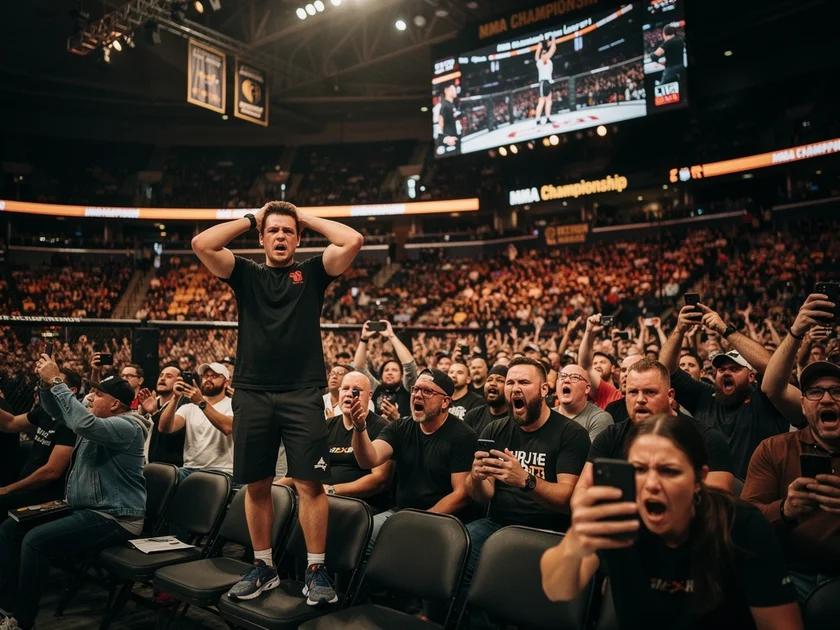
The UFC unveiled its White House fight card on March 8, 2026, and the UFC welterweight division did not appear on it — an absence that triggered immediate backlash from fighters and fans across social media. One widely shared post read simply “LOL THATS IT?” capturing the frustration many in the MMA community felt about how the card was assembled.
What the White House Card Actually Features
The card is headlined by Ilia Topuria vs. Justin Gaethje. That bout sits atop a lineup built around heavier weight classes. The 170-pound weight class is absent at every level — no title fight, no ranked contender bout, nothing.
Alex Pereira vacated his light heavyweight belt and moved up to challenge Ciryl Gane for the interim heavyweight title in the co-main slot. Those two fights drew the bulk of promotional attention. No welterweight fighter was named in connection with the event in any capacity, based on the card announcement.
Pereira’s jump to heavyweight opens the light heavyweight title picture. That shift pulls matchmaking resources toward 205 pounds, competing directly with the 170-pound class for near-term booking priority.
Fighter Reactions to the Welterweight Absence
Read more: Jon Jones Blocked From UFC Freedom
The social media response was blunt. Multiple fighters posted reactions ranging from disbelief to open mockery. The “LOL THATS IT?” post circulated widely and reflected a broader sense that the card underdelivered for a marquee venue.
Justin Gaethje noted three nights without sleep before the announcement, suggesting the booking process was not smooth for everyone involved. That detail, posted publicly, added texture to the behind-the-scenes picture of how the card came together.
One active fighter argued publicly that a Miami card would have been stronger than the White House offering. Open criticism of UFC matchmaking from a current competitor is uncommon. It signals real discontent, not just routine social media noise. Critics pointed to a full weight class erased from a marquee event as concrete proof of the problem.
The numbers reveal a clear pattern here: when a division disappears from a high-profile card, fighters in that bracket lose visibility, ranking momentum, and negotiating leverage simultaneously. That is the practical cost of a single booking decision, and film of past UFC cycles shows the effect can linger for months.
How the Rankings Picture Shifts
The UFC welterweight division runs on a rankings system where inactivity costs fighters positioning, especially when contenders in other weight classes stay busy on big cards. With zero 170-pound bouts on the White House card, the welterweight top-10 stalls while rival divisions gain exposure.
The UFC has now structured at least one major 2026 card with no welterweight bout at all. Historically, the 170-pound bracket has been one of the promotion’s deepest, with a crowded top-10 and multiple active contenders near title contention. None of that depth earns a fighter screen time if matchmakers skip the weight class entirely.
One alternative read: the UFC may be building toward a standalone welterweight title event later in 2026, using the White House card to clear the decks at heavyweight and featherweight first. That strategy has precedent in UFC booking history. No such event has been confirmed based on the current announcement.
Key Facts From the Card Announcement
Read more: UFC Heavyweight Division Shifts as Aspinall
- Ilia Topuria vs. Justin Gaethje headlines the event; the 170-pound class has no bout at any level.
- Alex Pereira vacated the light heavyweight title to fight Ciryl Gane for the interim heavyweight belt in the co-main event.
- The “LOL THATS IT?” post circulated widely among fighters and fans after the card was revealed.
- Gaethje posted about three nights without sleep before the announcement.
- At least one active fighter stated publicly that a Miami card would have been stronger than the White House offering.
Those five data points sketch the full picture: a card built around two non-welterweight title fights, a booking process that strained at least one headliner, and a fighter base vocal enough to push back in public.
What Comes Next for 170 Pounds
The UFC welterweight division now faces a stretch of uncertainty. Pereira’s move reshuffles the light heavyweight picture. Topuria locks up the top of the card at featherweight range. Matchmakers must address the 170-pound contender rankings before the calendar gets crowded.
Fighters in the welterweight top-10 will need to push hard for bookings. The White House event gives the division no clear path onto a major card in the near term. The UFC’s track record suggests a welterweight card announcement could follow within the next promotional cycle, particularly if criticism from the White House card builds enough pressure on matchmakers. For now, the 170-pound class sits on the outside while heavyweight and featherweight take the spotlight at one of the most unusual venues in UFC history.
Frequently Asked Questions
Why is the UFC welterweight division missing from the White House card?
The UFC built the White House card around two major bouts in other weight classes: Ilia Topuria vs. Justin Gaethje and Alex Pereira vs. Ciryl Gane for the interim heavyweight title. No 170-pound bout was included at any level, and the UFC has not publicly explained the omission.
Who headlines the UFC White House fight card?
Ilia Topuria faces Justin Gaethje in the main event, while Alex Pereira challenges Ciryl Gane for the interim heavyweight title in the co-main event.
How did fighters react to the White House card announcement?
Multiple fighters posted critical reactions on social media, including a widely shared “LOL THATS IT?” post. Gaethje noted three nights without sleep before the announcement, and at least one active fighter said a Miami card would have been stronger.
Does Alex Pereira still hold the UFC light heavyweight title?
No. Pereira vacated the light heavyweight championship to move up and fight Ciryl Gane for the interim heavyweight title on the White House card.
What does the White House card absence mean for welterweight contenders?
Fighters in the 170-pound top-10 lose visibility and ranking momentum when their division is skipped on a major card. With no welterweight bout on the White House card, contenders must seek bookings elsewhere or risk falling behind rivals who stay active at other events.