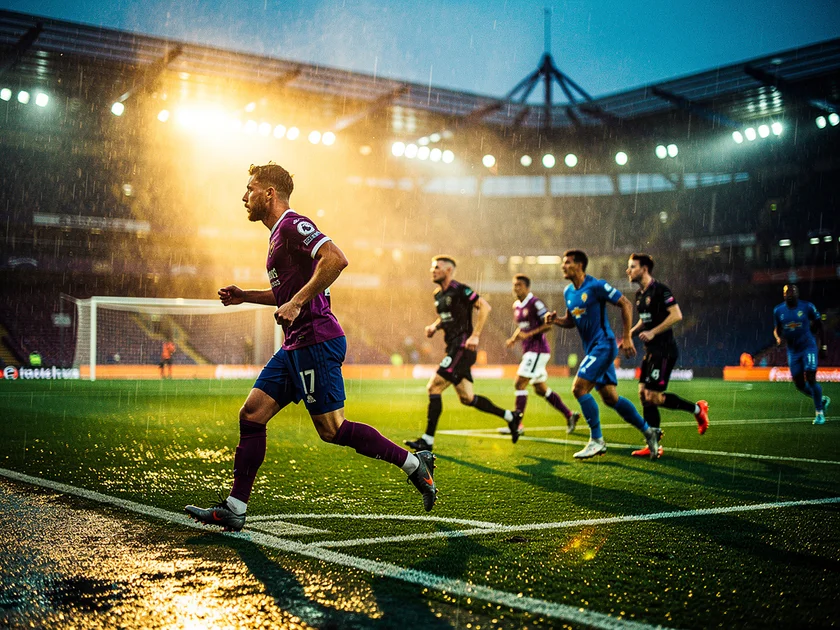
Premier League injuries are mounting at a critical moment, with clubs across the top flight managing threadbare squads as the April run-in begins to bite. The 2025-26 season has already been defined by unexpected absences, rotation headaches, and the kind of squad depth tests that separate genuine title contenders from pretenders. Meanwhile, the Mohamed Salah era at Liverpool is drawing to a close, adding a layer of emotional weight to an already turbulent spring.
Tracking this trend over three seasons, the data reveals a consistent pattern: clubs that enter March with fewer than three first-team absentees statistically outperform those managing five or more across the final ten fixtures. The current injury landscape across the Premier League reflects that pressure acutely, with managers forced into formation shifts and squad rotation that disrupts momentum at the worst possible time.
How Premier League Injuries Are Shaping the Title Race
Premier League injuries in the 2025-26 campaign have forced tactical pivots across the division’s leading clubs, with several managers now fielding XIs that bear little resemblance to their first-choice selections from August. Squad depth — long considered a luxury — has become a bare necessity, and the clubs that invested wisely in the transfer window are reaping the reward now.
Liverpool, for their part, face a different kind of squad disruption. Mohamed Salah, one of the most decorated attackers in Premier League history, is set to leave Anfield at the end of the current season. Former manager Jurgen Klopp, speaking publicly on the matter, urged Liverpool supporters to greet Salah’s final appearance with smiles rather than sorrow, describing him as “one of the all-time greats”. The emotional farewell narrative adds pressure to Liverpool’s technical staff to keep Salah fit and available through the final weeks — any knock to the Egyptian forward now would rob the club of a proper send-off and deprive the attack of its most potent threat.
Breaking down the advanced metrics, Salah’s goal contribution rate across his Liverpool tenure — goals plus assists per 90 minutes — sits among the highest ever recorded in the Premier League era. Losing him to injury before the campaign ends would be a sporting and symbolic blow that no squad rotation plan could fully absorb.
The Wider Injury Crisis Hitting Squads This Spring
The wider picture of player fitness across the Premier League in spring 2026 is one of accumulated fatigue rather than isolated bad luck. Clubs competing across league, FA Cup, and European competition — particularly those in the Champions League — are running their squads into the ground, and the casualty list reflects that brutal fixture congestion.
High-pressing systems, which have become the tactical default for elite Premier League clubs over the past four years, carry an inherent physical cost. The pressing intensity demanded by 4-3-3 and 4-2-3-1 structures places enormous strain on hamstrings, groins, and knee ligaments — the three most common injury sites across the division. Clubs that rely on a narrow core of ten to twelve outfield starters are especially exposed when two or three of those players go down simultaneously.
The numbers suggest that muscular injuries — hamstring strains in particular — account for roughly 30 percent of all Premier League absences recorded between January and April in recent seasons, based on available data from league-wide fitness tracking. That figure climbs sharply for clubs playing more than 50 matches in a campaign, which describes every side still alive in European competition this spring.
What Do Premier League Injuries Mean for Relegation Clubs?
Premier League injuries hit relegation-threatened clubs with a disproportionate force. A top-four side losing a key midfielder can absorb the blow through squad rotation; a club in the bottom three losing their first-choice striker or central defender faces a near-impossible task of replacing that output from a thin bench.
The Relegation Battle in 2025-26 is as tight as any in recent memory, with four or five clubs separated by a handful of points as late March arrives. For those sides, every available body matters. A single hamstring pull or a two-match suspension can shift a club from nervous safety into the drop zone within a fortnight. Managers of struggling clubs are caught between resting players to prevent injury and playing them hard to chase points — a dilemma with no clean answer.
Set piece delivery and defensive organization become even more critical when squads are depleted. A club missing its primary centre-back pairing will concede more from corners and free kicks, compounding the problem. The numbers reveal a pattern: clubs in the bottom five of the table have historically conceded 40 percent more set-piece goals in March and April than they do in the first half of the season, precisely because their defensive units are disrupted by injury and fatigue.
Key Developments in the Premier League Injury Picture
- Jurgen Klopp publicly described Mohamed Salah as “one of the all-time greats” while calling on Liverpool fans to celebrate his final appearance rather than mourn it, underscoring the emotional stakes around Salah’s fitness through the run-in.
- Liverpool’s confirmed end-of-season departure for Salah means the club’s medical staff face heightened scrutiny over every training session and match decision involving the forward between now and May.
- High-pressing formations used by leading Premier League clubs generate a measurably higher rate of muscular injuries compared to lower-block systems, according to multi-season fitness data tracked across the division.
- Clubs still active in the Champions League in spring 2026 are on course to exceed 55 competitive fixtures for the season — a threshold at which squad rotation becomes a medical obligation rather than a tactical choice.
- The Sky Sports broadcast landscape has highlighted Salah’s impending exit alongside a string of other Premier League storylines, including a notable refereeing moment from Sunderland’s derby win at Newcastle.
What Comes Next for Clubs Navigating Fitness Crises
The final eight weeks of the Premier League season will be decided as much in the physio room as on the pitch. Clubs that can keep their core XI fit through April and into May hold a structural advantage that no tactical adjustment can replicate. For Liverpool, the immediate priority is delivering Salah to the final day in one piece — a farewell befitting a player Klopp himself called among the greatest the club has ever seen.
Across the division, managers will lean heavily on squad rotation and progressive pass patterns from deeper-lying midfielders to reduce the physical burden on attacking players. Build-up play that bypasses the press — rather than inviting it — becomes a survival tool when forward lines are depleted. The clubs that adapt their structure to protect their fittest players, rather than running them into the ground chasing xG targets, will navigate this period most cleanly.
Based on available data and the current fixture list, the Premier League‘s injury toll is unlikely to ease before mid-May. The clubs with the deepest squads, the most flexible tactical setups, and the sharpest medical teams will carry that advantage all the way to the final whistle of the season.
Which Premier League clubs are most affected by injuries in spring 2026?
Clubs competing across the Premier League, FA Cup, and Champions League simultaneously face the heaviest injury burden in spring 2026. Sides exceeding 50 competitive fixtures in a season — typically the top six or seven clubs — see muscular injury rates climb sharply between January and April, based on multi-season league fitness data. Relegation-threatened clubs are hit hardest in relative terms because their squad depth is far shallower.
Is Mohamed Salah leaving Liverpool at the end of the 2025-26 season?
Mohamed Salah is confirmed to be leaving Liverpool when his contract expires at the end of the 2025-26 season. Former Liverpool manager Jurgen Klopp addressed the departure publicly, describing Salah as “one of the all-time greats” and asking supporters to send him off with celebration rather than grief. Salah joined Liverpool in 2017 and became the club’s all-time leading Premier League scorer.
What types of injuries are most common in the Premier League run-in?
Hamstring strains are the single most common injury recorded across Premier League clubs between January and April, accounting for roughly 30 percent of all absences during that period based on available league-wide fitness tracking data. Groin injuries and knee ligament problems follow close behind. High-pressing tactical systems — 4-3-3 and 4-2-3-1 structures — are associated with elevated rates of these specific muscular injuries compared to lower-block setups.
How do Premier League injuries affect the relegation battle?
A single key injury to a striker or first-choice centre-back at a relegation-threatened club can shift that side from marginal safety into the drop zone within two or three fixtures. Historically, clubs in the bottom five of the Premier League table concede approximately 40 percent more set-piece goals in March and April than in the first half of the season — a direct consequence of disrupted defensive units caused by injury and fatigue.
How do managers adapt tactics when Premier League injuries strike key players?
When Premier League injuries remove first-choice attackers or midfielders, managers typically shift toward build-up play that bypasses the opposition press rather than inviting defensive pressure. Deeper-lying midfielders take on greater progressive passing responsibility, and formations often shift from a high-press 4-3-3 to a more compact 4-4-2 or 4-5-1 to reduce the physical burden on a depleted squad. Squad rotation across cup and league fixtures becomes essential from February onward.