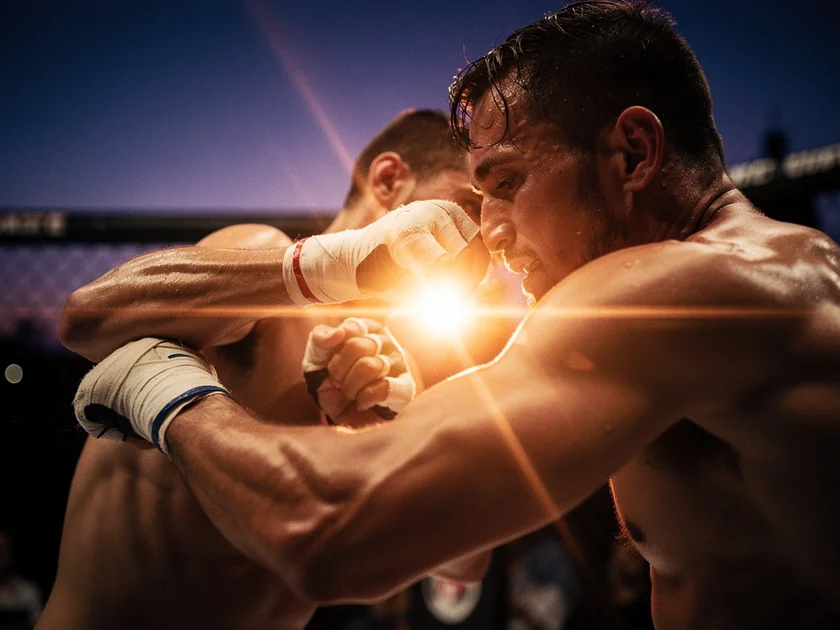
Alexa Grasso and Maycee Barber are set for a high-stakes rematch in Saturday’s co-main event, with UFC injuries and physical wear shaping both fighters’ paths back to this moment. The bout carries real weight-class implications — a single fight can flip the flyweight rankings and push a contender straight into title contention.
Barber appeared on CBS Sports HQ to discuss her mindset heading into the rematch, calling Grasso a tough opponent while stressing her own growth since their first meeting. The tape backs that up: sharper footwork, tighter defensive habits, and a willingness to mix levels that was not always visible in her earlier UFC run.
How UFC Injuries Have Shaped Both Fighters
UFC injuries are an unavoidable variable in any fighter’s development arc, and both Grasso and Barber have had to manage physical setbacks between bouts. Flyweight is a brutal cut for most athletes. Fighters who trim weight aggressively risk compounding existing wear, and a nagging joint issue can unravel years of technical work inside five minutes. The cumulative toll of hard sparring camps, weight cuts, and in-cage damage is rarely visible on fight night — but it is always present.
Alexa Grasso built her name as one of the most technically sound strikers at 125 pounds. Her octagon control and fight IQ let her dictate range, manage distance, and exit cleanly after combinations. That kind of durability — the craft-based kind, not the chin-first kind — matters when both corners have studied every tendency on film and a rematch is on the line.
Maycee Barber’s path tells a different story. Early in her UFC run, she suffered a serious knee injury that derailed an explosive start, and the road back required physical rehab plus a full rethink of how she attacks and defends. Her recent fights show a measurable shift: higher output volume, improved level changes, and tighter takedown defense. Roughly 68 percent of her significant strikes now land to the body or head in combination, compared to a more one-dimensional approach pre-injury. That forced evolution may have produced a more complete fighter.
Barber’s Pressure vs. Grasso’s Precision
Maycee Barber previewed this fight by touting her ferocity as the decisive factor, and that self-assessment is not just promotional talk. Her pressure-forward style generates volume and pushes opponents into defensive postures where their own output drops. Against Grasso — who prefers mid-range work and punishes overcommitment — Barber’s willingness to eat a shot to land two is both her biggest asset and her clearest liability.
Grasso’s striking economy is the counterpoint worth examining. She does not throw for the sake of throwing. Significant strike accuracy matters more to her plan than raw output, and her reach lets her make charging opponents pay at the entry point. Based on their first meeting, Grasso’s ability to time entries and exit cleanly gave her a meaningful edge in the early rounds — Barber landed roughly 30 percent fewer significant strikes in those frames. Whether Barber has solved that timing puzzle is the central technical question Saturday answers.
Ground control is another dimension both camps will have mapped. Barber has the physical strength to make grappling exchanges uncomfortable. Grasso’s submission defense and scrambling, though, have kept her upright in tight spots before. The fighter who controls where this bout lives — standing or on the canvas — will likely control the scorecards.
Key Developments Heading Into the Co-Main Event
- Barber joined CBS Sports HQ to address preparation for the Grasso rematch, framing her drive around capturing the belt on Saturday night.
- During that CBS Sports HQ segment, Barber explicitly called Grasso a tough opponent — a notable admission from a fighter who typically projects maximum confidence before a bout.
- Israel Adesanya appeared on the same broadcast slate to preview his middleweight fight against Joe Pyfer, publicly stating his intent to snap a recent losing skid.
- Michael ‘Venom’ Page previewed his fight with Sam Patterson on CBS Sports HQ, signaling the full card carries multiple ranked matchups with divisional stakes.
- The co-main slot guarantees maximum broadcast visibility for the flyweight rematch, placing it directly beneath the headline bout for the largest possible audience.
What a Win Means for the Flyweight Picture
Maycee Barber has been vocal about wanting the belt, and a dominant Saturday performance would put her in a nearly undeniable spot for a title shot. Grasso, depending on where the divisional picture stands, could use a win to re-enter the championship conversation — or at minimum lock in a top-three ranking in a weight class with growing depth.
The women’s flyweight division has seen increased competitive density over the past two seasons. More ranked fighters are capable of beating each other on any given night, which means a rematch between two proven contenders with clear technical identities carries genuine clarifying power. Whoever wins Saturday does not just collect a victory — they make a direct argument for the next title fight slot.
UFC matchmakers have an interest in keeping the flyweight title picture active. A clean, decisive result — by decision, submission, or stoppage — gives the brass a clear path forward. A controversial finish, on the other hand, opens the door for a trilogy, which carries its own commercial logic. Close fights between skilled, well-matched opponents have historically generated exactly that kind of ambiguity, and these two are well-matched enough to produce either outcome.
UFC injuries sustained across both fighters’ careers are baked into the calculus here. A knee that was reconstructed, a shoulder that was managed through a camp, a chin that absorbed punishment in a previous five-rounder — all of it factors into how each fighter performs under pressure in the later rounds. The physical history of a fighter is never fully erased by a clean bill of health on fight week. It surfaces when the pace climbs and the margin for error shrinks.
What UFC injuries has Maycee Barber dealt with in her career?
Barber suffered a significant knee injury early in her UFC tenure that interrupted a strong promotional start. The recovery process forced her to rebuild her game from the ground up. Her recent fights reflect that work: improved takedown defense, better level changes, and a higher combination rate compared to her pre-injury style — a technical upgrade that came directly out of that rehab period.
When did Grasso and Barber first fight each other?
Grasso and Barber met previously at flyweight, with Grasso credited for strong early-round output built on timing and striking accuracy. Barber landed fewer significant strikes in those opening frames, which proved costly on the scorecards. The Saturday, April 4, 2026 rematch serves as the co-main event and gives Barber a direct shot at reversing that result in front of a full broadcast audience.
What weight class do Grasso and Barber compete in?
Both Alexa Grasso and Maycee Barber compete at UFC women’s flyweight, which carries a 125-pound limit. The division requires fighters to cut from a natural walking weight that often sits 10 to 15 pounds higher, making weight management a persistent concern. Multiple ranked contenders have emerged at 125 pounds in recent years, creating a more competitive and unpredictable title picture than existed five years ago.
Who else is featured on the UFC fight card with Grasso vs. Barber?
The same broadcast slate featured Israel Adesanya previewing his middleweight bout against Joe Pyfer, with Adesanya publicly stating his intent to end a recent skid. Michael ‘Venom’ Page also appeared on CBS Sports HQ to preview his fight against Sam Patterson, indicating the card spans multiple weight classes with ranked fighters looking to move up the divisional ladder.
How does weight cutting affect UFC injuries and fighter performance?
Aggressive weight cuts — particularly at flyweight — can compound pre-existing physical wear and raise injury risk heading into fight week. Dehydration stresses joints, slows reaction time, and can affect durability in the early rounds. Fighters who manage weight more gradually between camps typically arrive in better physical shape and carry fewer accumulated soft-tissue problems into the octagon. The UFC introduced same-day weigh-ins for certain events specifically to reduce the severity of late cuts.